.webp)
What is the Difference Between Umrah And Hajj


What is the Difference Between Umrah and Hajj?
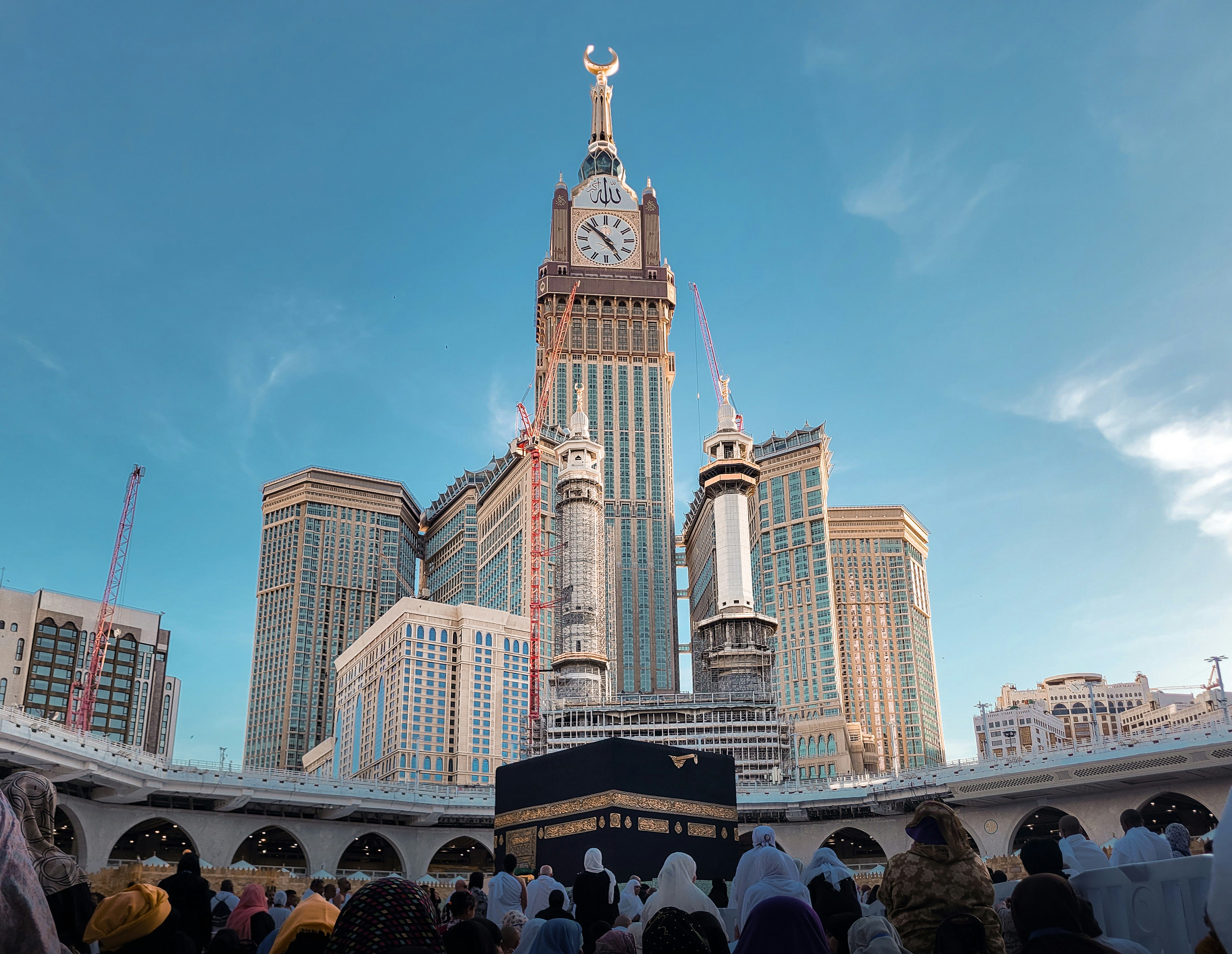
Hajj and Umrah both bring Muslims to the sacred city of Makkah and include acts of worship around the Kaaba. Because they share several rituals, it is understandable that first-time pilgrims may wonder what actually separates the two.
While both are deeply meaningful journeys, Hajj and Umrah are not the same. They differ in their obligation, timing, duration and the rituals that pilgrims are required to perform.
Understanding these differences can also help you prepare more meaningfully for your own journey to the House of Allah.
1. Hajj Is an Obligation for Those Who Are Able
One of the most important differences concerns the status of Hajj.
Hajj is one of the five pillars of Islam. Allah says in the Qur'an:
“Pilgrimage to this House is an obligation by Allah upon whoever is able among the people.”
Surah Ali 'Imran, 3:97
For a Muslim who meets the necessary conditions and has the physical and financial ability, Hajj is an obligation once in their lifetime.
Umrah is also an immensely significant act of worship, although its precise legal ruling differs among the recognised schools of Islamic jurisprudence.
2. Hajj Takes Place at a Specific Time
Hajj can only be performed during its prescribed period, with its principal rites taking place during Dhul Hijjah, the final month of the Islamic calendar.
This includes the significant days spent in Mina, Arafah and Muzdalifah.
Umrah is different because it can generally be performed throughout the year, subject to the rules and arrangements implemented by the Saudi authorities.
This flexibility is one reason many Muslims are able to undertake Umrah before they have the opportunity to perform Hajj.
3. Hajj Includes More Rituals
Umrah centres around several principal rites: entering the state of ihram, performing tawaf around the Kaaba, completing sa'i between Safa and Marwah, and concluding by cutting or shortening the hair.
Hajj incorporates rites also associated with Umrah but has several additional acts.
These include travelling to Mina, standing at Arafah, spending time in Muzdalifah, performing the rites of stoning the Jamarat and completing the other prescribed acts of Hajj.
The Day of Arafah is particularly important. The Prophet ﷺ said:
“Hajj is Arafah.”
This demonstrates the central position of Arafah within the Hajj pilgrimage.
4. Umrah Is Usually a Shorter Journey
The core rites of Umrah can be completed within a relatively short period, although an Umrah trip itself will usually be longer.
Pilgrims often spend several days in Makkah for additional prayer, worship, learning and historical visits before or after travelling to Madinah.
Hajj requires pilgrims to complete its prescribed rites over specific days, making the pilgrimage more extensive and logistically demanding.
5. Both Include Ihram
Both Hajj and Umrah require pilgrims to enter the sacred state of ihram before passing the relevant miqat.
Ihram is much more than the clothing commonly associated with pilgrimage.
It is a sacred state accompanied by an intention and particular restrictions. For men, the familiar two unstitched garments make the equality of pilgrims especially visible — people of different nationalities, professions and backgrounds standing before Allah in simplicity.
Understanding the rules of ihram before travelling is important for both Hajj and Umrah.
6. Both Include Tawaf and Sa'i
One of the experiences shared by Hajj and Umrah is tawaf, in which pilgrims circle the Kaaba seven times.
Both also involve sa'i, walking between the hills of Safa and Marwah.
These acts connect today's pilgrims to a history of worship stretching back generations and, in the case of sa'i, to the story of Hajar (peace be upon her) and her trust in Allah while searching for water for her son Ismail (peace be upon him).
7. What About Visiting Madinah?
A common misconception is that visiting Madinah is one of the required rituals of Hajj or Umrah.
It is not.
Neither Hajj nor Umrah requires a visit to Madinah for the pilgrimage itself to be valid.
However, many pilgrims understandably include Madinah in their journey because of the immense virtue of Masjid an-Nabawi and the opportunity to visit the city of the Prophet ﷺ.
For many Singapore pilgrims, spending time in both Makkah and Madinah becomes one of the most memorable aspects of their journey.
8. Is Umrah a Preparation for Hajj?
Umrah does not replace the obligation of Hajj for someone upon whom Hajj is obligatory.
However, performing Umrah can give a pilgrim valuable experience of ihram, tawaf, sa'i, Makkah and the practical realities of pilgrimage.
More importantly, it can strengthen your relationship with Allah and deepen your understanding of the acts of worship you are performing.
This is why preparation should involve more than simply knowing where to go.
Learning the meaning, rulings and wisdom behind the rituals can completely change the way you experience your pilgrimage.
Preparing for Your Umrah From Singapore
If you are considering Umrah from Singapore, take time to learn before you travel.
Understand ihram. Learn how tawaf and sa'i are performed. Familiarise yourself with the duas you wish to make and understand the significance of the places you will visit.
At Shafie Travels, this preparation is an important part of our approach.
Our English-guided Umrah journeys are designed to give pilgrims clear guidance and support before and throughout the journey, allowing you to spend less time worrying about the logistics and more time focusing on your worship.
Whether Umrah is your first journey to Makkah or one of many, every visit is an opportunity to return with renewed intentions and a heart closer to Allah.

Key Takeaways
• Hajj is one of the five pillars of Islam and is obligatory once for Muslims who meet the required conditions.
• Hajj takes place during a prescribed period, while Umrah can generally be performed throughout the year.
• Hajj contains additional rites including Arafah, Mina, Muzdalifah and the Jamarat.
• Both pilgrimages involve ihram and include tawaf and sa'i within their respective rites.
• Visiting Madinah is highly meaningful but is not a required ritual of Hajj or Umrah.
• Umrah does not replace Hajj, but it can provide valuable spiritual and practical experience.
Final Thoughts
Hajj and Umrah are distinct acts of worship, each carrying its own rulings, rituals and significance.
Yet both remind us of something greater than travel. Pilgrimage is an opportunity to leave behind our everyday distractions, turn towards Allah and remember the purpose for which we were created.
If Allah has placed the desire for Umrah in your heart, begin by learning and preparing. Understanding the journey before you undertake it can help every step carry greater meaning.
May Allah invite us to His Sacred House, accept our Umrah and Hajj, and grant us journeys that bring lasting change to our hearts.
Ameen.